
- today
- label News
- favorite 0 likes
- remove_red_eye 1865 views
How to Choose Your Swimrun Wetsuit: The Complete Guide
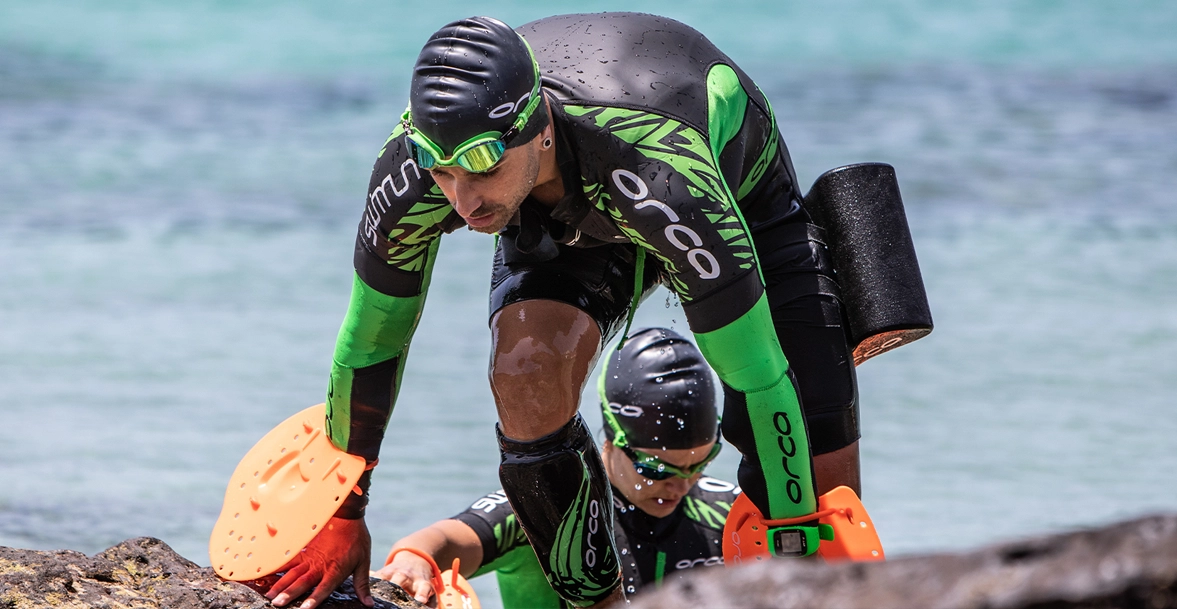
Swimrun is a demanding endurance sport that combines trail running and open water swimming without transitions. Unlike triathlon, athletes alternate multiple times between water and land while wearing the same gear from start to finish. This makes the wetsuit one of the most important pieces of equipment for comfort, safety, and performance.
Choosing a swimrun wetsuit is not the same as choosing a triathlon or surfing wetsuit. Several factors need to be considered, including buoyancy, flexibility, water temperature, race distance, and your level of experience.
Why Choose a Swimrun-Specific Wetsuit?
A swimrun wetsuit is specifically designed for the unique demands of the sport: running and swimming with the same equipment.
It must therefore provide:
- excellent freedom of movement while running;
- good buoyancy to save energy in the water;
- enhanced durability against friction and abrasion;
- easy ventilation during running sections;
- storage pockets for nutrition and mandatory gear.
A traditional triathlon wetsuit can quickly become uncomfortable while running, while surfing or diving wetsuits are usually too stiff and too warm for swimrun.
Key Criteria for Choosing the Right Swimrun Wetsuit
1. Buoyancy
Neoprene provides natural buoyancy that helps improve body position in the water. For beginners, a wetsuit with good buoyancy is often the best option.
It helps to:
- reduce fatigue;
- improve balance and stability in the water;
- build confidence during longer swim sections.
As a general rule, neoprene thickness between 4 and 5 mm provides stronger buoyancy, while 2 to 3 mm offers greater flexibility and mobility.
2. Freedom of Movement
In swimrun, athletes may run several miles between swim sections. A wetsuit that is too stiff can quickly become uncomfortable.
Pay close attention to flexibility around:
- the shoulders;
- the hips;
- the crotch area;
- the legs.
Premium swimrun wetsuits often use highly flexible neoprene panels in strategic areas to improve comfort both in the water and on land.
3. Front Zipper and Ventilation System
Most swimrun wetsuits feature a front zipper. This is an essential feature because it allows athletes to easily open the wetsuit during running sections.
This helps with:
- temperature regulation;
- ventilation during effort;
- easier adjustment during races.
Some models also include removable sleeves or additional ventilation systems to adapt to different race conditions.
4. Water Temperature
Your wetsuit choice should largely depend on the conditions in which you practice swimrun.
Cold Water: Below 59°F (15°C)
Choose a full wetsuit with thicker neoprene for better thermal protection.
Moderate Water: 59°F to 68°F (15°C to 20°C)
Most standard swimrun wetsuits provide an excellent balance between warmth, buoyancy, and flexibility.
Warm Water: Above 68°F (20°C)
A lighter wetsuit with short sleeves or removable sleeves will usually provide better comfort.
5. Race Distance and Format
Your ideal wetsuit may vary depending on whether you participate in short races, beginner events, or long-distance swimrun competitions.
Short Distance or Beginner Events
Comfort, versatility, and ease of use are the most important criteria.
Long Distance Swimrun
During long races, neoprene quality and overall ergonomics become critical to avoid chafing, irritation, and muscular fatigue.
Important details include:
- easy-access pockets;
- comfortable seams;
- a soft collar;
- efficient water drainage;
- maximum freedom of movement.
Men’s vs Women’s Swimrun Wetsuits
Women’s wetsuits are specifically designed to better fit female body shapes, including chest, waist, hips, and shoulder mobility.
Choosing the correct fit greatly improves comfort and reduces pressure points, especially during long training sessions or endurance races.
How Should a Swimrun Wetsuit Fit?
A swimrun wetsuit should fit snugly without restricting breathing or movement. It should feel close to the body without excessive compression.
A poorly fitted wetsuit can cause:
- excessive water entry;
- reduced thermal efficiency;
- chafing and irritation;
- discomfort while running;
- loss of buoyancy efficiency.
When trying on a wetsuit, make sure to:
- raise your arms;
- simulate swimming movements;
- squat down;
- walk or jog a few steps;
- check comfort around the neck and shoulders.
Useful Swimrun Accessories
Several accessories can improve both comfort and performance during swimrun races:
- calf sleeves for additional buoyancy;
- elastic race belts;
- pull buoys;
- swim paddles;
- neoprene socks;
- open water swimming goggles;
- neoprene caps for cold water.
Should You Invest in a Premium Swimrun Wetsuit?
For occasional practice, an entry-level or mid-range wetsuit can be more than enough. The priority is choosing a comfortable model adapted to your body shape and conditions.
However, if you train regularly or compete in long-distance races, a premium wetsuit can provide major benefits:
- greater comfort;
- better durability;
- increased flexibility;
- improved buoyancy;
- better efficiency in the water.
Common Mistakes to Avoid
Choosing a Wetsuit That Is Too Thick
While thicker neoprene improves buoyancy, it can reduce running comfort and mobility.
Using a Standard Triathlon Wetsuit
Triathlon wetsuits are not designed for extended running sections and are usually less resistant to friction.
Ignoring Chafing Issues
During long races, irritation can become a serious problem. The neck, shoulders, underarms, and inner thighs should receive particular attention.
Choosing Only Based on Price
A wetsuit that properly fits your body will always perform better than a high-end model with the wrong fit.
Conclusion
Your wetsuit is one of the most important pieces of swimrun equipment. The best model should provide the right balance between buoyancy, flexibility, thermal comfort, and ergonomics.
Before buying, take time to evaluate your experience level, race goals, water temperatures, and the type of swimrun events you plan to enter.
A properly chosen swimrun wetsuit will not only improve your performance, but also allow you to fully enjoy the unique swimrun experience.
Need help choosing your swimrun gear?
Discover our selection of swimrun wetsuits for beginners, training, and long-distance competition. Contact me directly if you need further informations.